


forged in heat
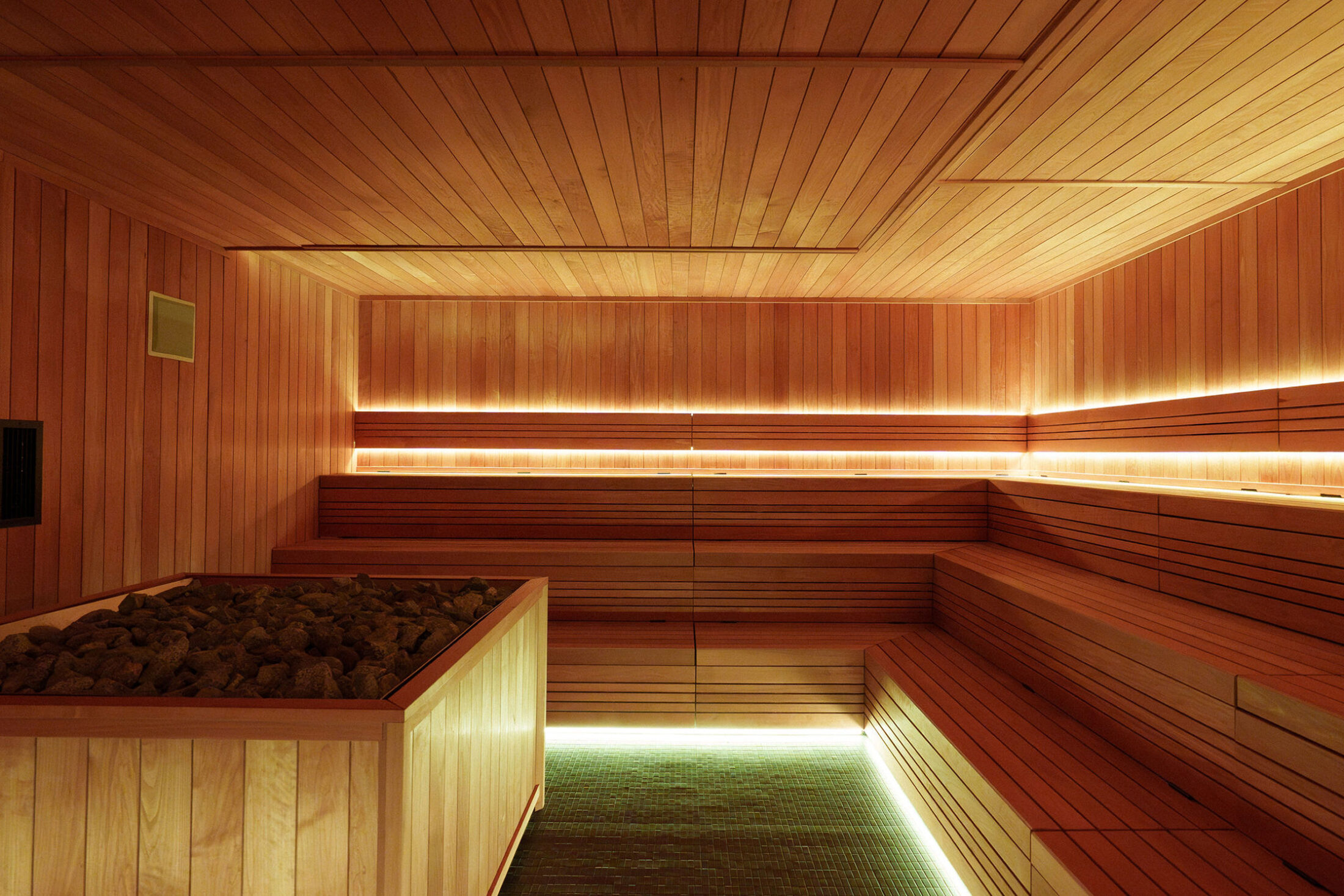
Sauna
Studies show that saunas help lower cholesterol, improve blood pressure, decrease the risk of heart attack and cardiovascular disease.
Those using saunas 2-3x week had a 27% reduction in mortality associated with cardiovascular disease versus those who used saunas 1x week. Sauna use 4-5x week had a 50% reduction rate in mortality associated with cardiovascular disease.
Sauna increases heart rate to 100-150 BPM mimicking cardiovascular exercise without physical wear and tear on the body.
2x 20 minute sauna sessions per week at 80C increases human growth hormone (HGH) improving muscle mass, weight loss, bone density, energy, brain function, exercise capacity and temperature regulation.
Hyperthermic conditioning, the physiological adaptation when the body is repeatedly exposed to heat, enhances blood flow to muscles increasing oxygen, glucose, fatty acids and nutrients. This accelerates muscle recovery, reduces soreness, and enhances performance by improving blood flow and flexibility.
30 minute sauna sessions 2x a week for 3 weeks increased participants’ ability to run until exhaustion by 32%.
Traditional sauna for 15 minutes every other day improved sleep efficiency +18% as measured by time spent in deep sleep and overall duration of sleep.
Hot and cold stimulate hormone production and release.
Norepinephrine (NE) can jump 3x when sauna users push themselves to the edge of their heat tolerance (20-30 mins). NE in the brain is a neurotransmitter that enhances focus, attention and improves mood. In the body NE is a powerful hormone decreasing inflammation system wide.
Prolactin is a hormone that aids in myelin growth. Myelin makes the brain function faster, a critical feature in repairing nerve cell damage. Endorphins, dopamine, serotonin, and oxytocin induce euphoria while boosting energy levels, calmness, and pain tolerance.
Saunas also reduce high cortisol levels, which are often linked to depression, chronic stress and increased belly fat.
In the sauna, we sweat out heavy metals and toxins such as mercury, BPA and phthalates. Toxins are most concentrated in fatty tissue just below the surface of the skin. Sweating in the sauna excites the water molecules surrounding fat, which helps break down and expel the chemicals within.
Research shows that a sauna 4-7 times a week can reduce all-cause mortalities by 40% and cases of Alzheimer’s and dementia by 65%.
Sauna use 4-5x week had a 50% reduction rate in mortality associated with cardiovascular disease.



freed in cold
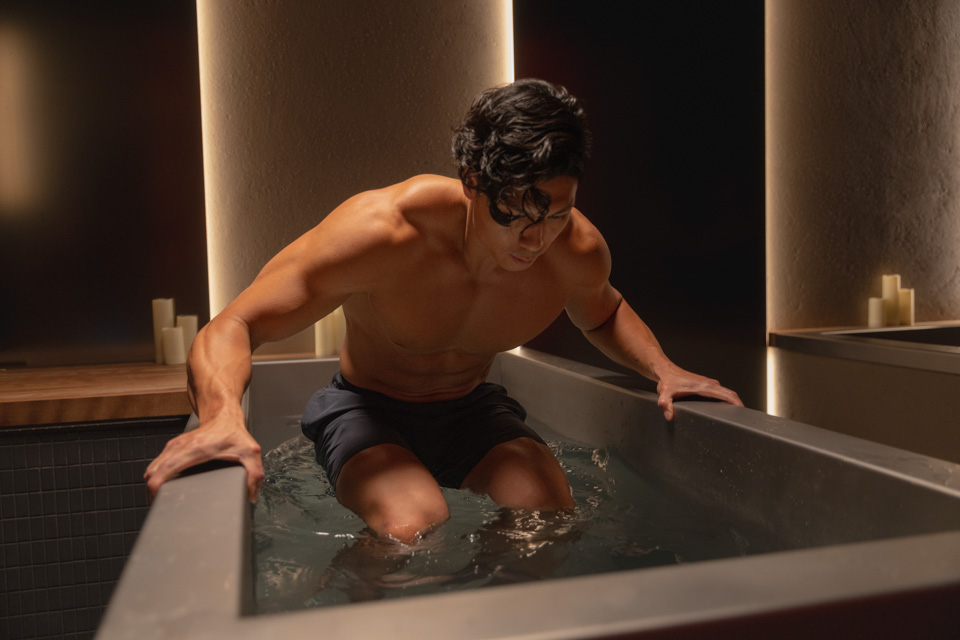
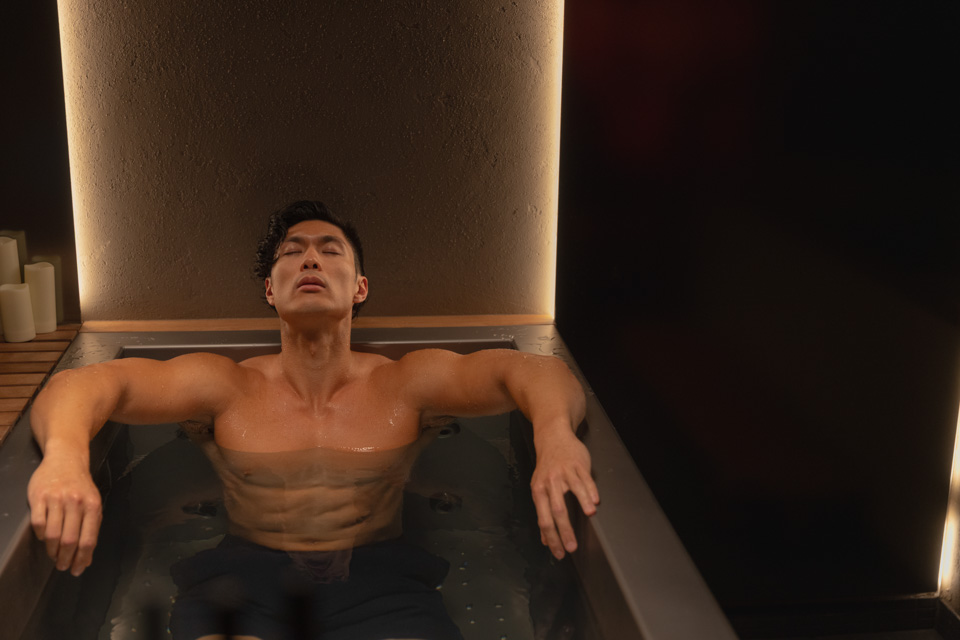
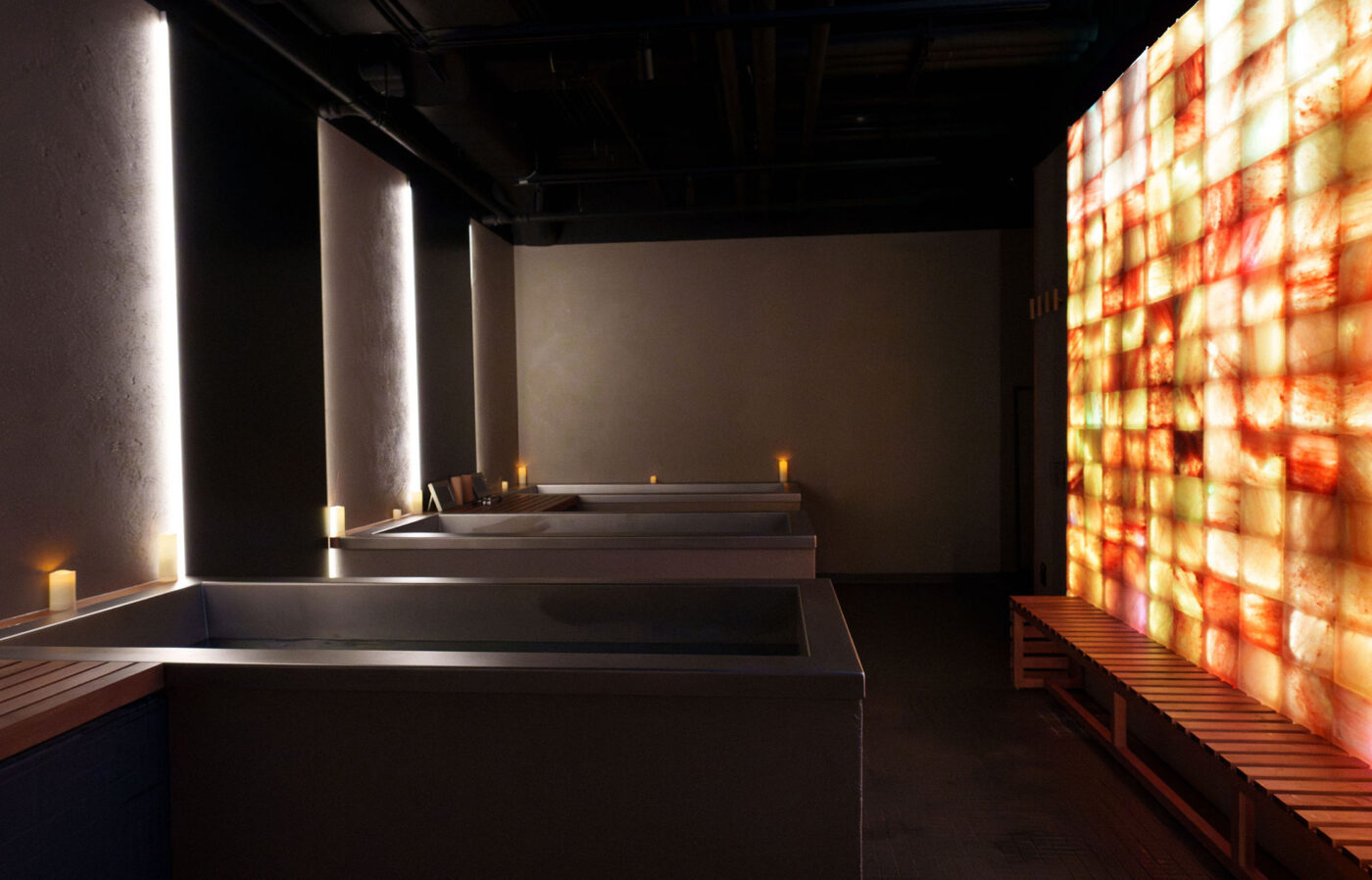
Ice Baths
Norepinephrine (NE) is a hormone in the blood and a neurotransmitter in the brain. It plays a crucial role in boosting your mood, vigilance, and attention span. In the blood, NE causes vasoconstriction to retain body heat and is also known for its anti-inflammatory properties. More than 50% of all deaths are attributable to inflammation-related diseases. A 2 minute cold plunge in water 0-6C can yield up to a 5x jump in NE.
Metabolism is activated through a process called thermogenesis, which produces body heat through energy in the muscle tissue via contractions (shivering). Non-shivering thermogenesis occurs once the body has stopped shivering.
A calorie is the amount of energy required to heat one gram of water one degree Celsius. This is why it is referred to as “burning” calories when we exercise or partake in hot and cold exposure. Your body burns calories as it works to reheat itself after cold immersion.
Cold water immersion 3x per week for 6 weeks has been shown to increase white blood cell count, cytotoxic T lymphocytes (active in killing cancer cells), and other beneficial immune cells.
Cold exposure activates genetic anti-oxidizing systems (far stronger than supplemental antioxidants) such as glutathione reductase and superoxide dismutase to counteract Reactive Oxygen Species (ROS). ROS are always present, and damage cells in the body, including DNA. Cold exposure for 20 days doubled glutathione and increased superoxide dismutase by ~43%.
As explained in the “Boosted Mood” section, a 2 minute cold plunge in water 0-6C can yield up to a 5x jump in norepinephrine ( NE) NE is known for its anti-inflammatory properties.
Athletes use cold water therapy for reducing post-exercise muscle stiffness, delayed onset muscle soreness, eliminating fatigue, decreasing exercise-induced muscle damage, and recovering sports performance.
Cold exposure elevates RBM3 (a cold shock protein) for up to 3 days, which protects against synapse damage, decreases neurodegeneration, and regenerates synapses. Synapses are gaps between neurons responsible for cell communication and creating memories. These synapses break down through aging which increases the risk of Alzheimers.



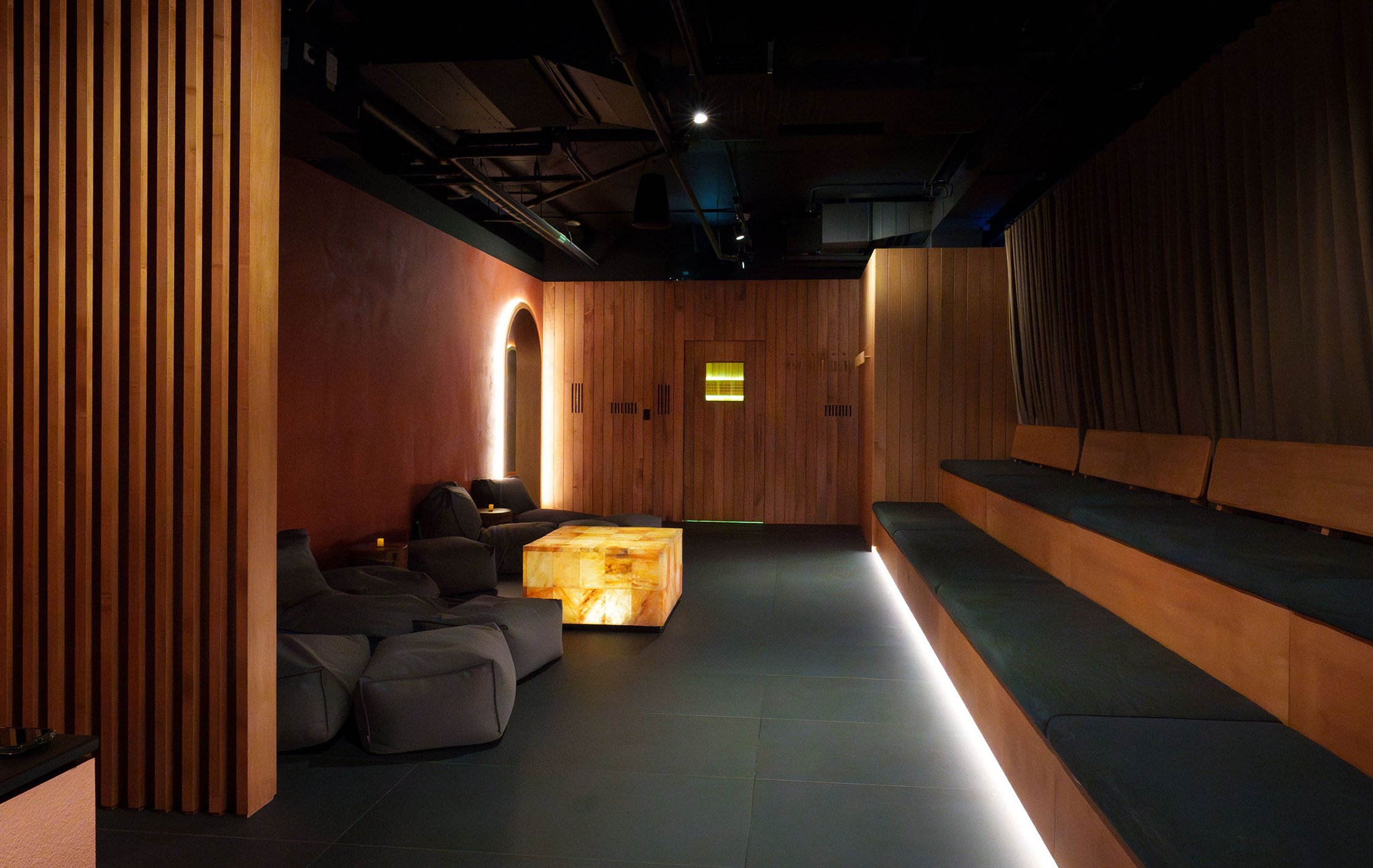
recover with friends
Tea Lounge




Space Features
Amenities





Location

To find us, enter the lobby of 525 W 8th (right of the Oakberry). If the lobby door is locked: click the screen and DIAL 1001 OR call “Find Kolm”. The door will open. The studio entrance is at the back of the lobby.