


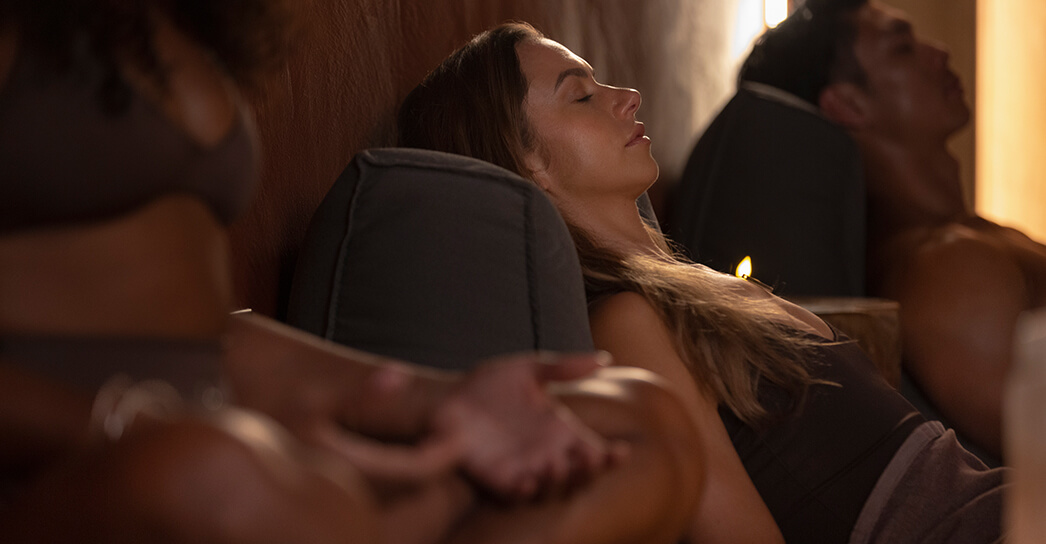


Heat and cold have been used for centuries to help people relax, recover, and feel better. Today, sauna sessions and cold plunges have become increasingly popular, especially among people looking to support their wellness routine, recover after exercise, or simply take a break from a busy day.
But when should you use heat, and when is cold the better choice?
While both hot and cold therapy can have their own benefits, they create very different experiences in the body. Understanding the difference can help you decide which approach may be right for you.
What Is Heat Therapy?
Heat therapy involves exposing your body to warmth, such as spending time in a sauna. The heat raises your body temperature and encourages blood flow to the skin and muscles.
For many people, heat is primarily associated with relaxation. A sauna session can help loosen tight muscles, encourage a feeling of calm, and provide an opportunity to slow down and disconnect from daily stress.
Heat may be particularly appealing when your body feels stiff or tense. After sitting at a desk all day, travelling, or completing a workout, many people enjoy using a sauna to relax their muscles and unwind.
Sauna sessions can also simply become part of a regular wellness routine. Some people visit for the physical experience, while others enjoy the mental break that comes with sitting in a warm, quiet environment without distractions.
However, heat is not always the right choice for every situation.
What Is Cold Therapy?
Cold therapy, such as cold plunging, exposes the body to cold water for a short period of time.
The experience is very different from stepping into a sauna. Cold water creates an immediate physical response, and the first few moments can feel intense. Many people focus on slow breathing to help their body adjust to the temperature.
Cold plunging has become popular among athletes and active individuals, particularly as part of a post-workout recovery routine. Others enjoy it because of how alert and refreshed they feel afterwards.
The challenge is also part of the appeal. Stepping into cold water requires you to slow down, control your breathing, and remain present in the moment.
As with heat therapy, cold exposure is not appropriate for everyone. If you have cardiovascular concerns or other health conditions, it is best to check with your doctor before starting cold therapy.
When Should You Use Heat?
Heat therapy is often chosen when relaxation and muscle comfort are the main goals.
You may prefer a sauna session when:
- Your muscles feel tight or stiff
- You want to relax after a long day
- You are looking for a calming wellness experience
- You want to unwind after physical activity
- You simply want time away from screens and daily distractions
Many people also enjoy using a sauna in the evening as part of their wind-down routine.
The key is to listen to your body. Staying hydrated and avoiding excessive heat exposure are important parts of having a safe and comfortable sauna experience.
When Should You Use Cold?
Cold therapy is often used when people are looking for an energizing and refreshing experience.
You may prefer a cold plunge when:
- You want to feel alert and awake
- You are incorporating cold exposure into your recovery routine
- You enjoy a physical and mental challenge
- You want to practice controlled breathing and mindfulness
- You are looking for a refreshing change after exercise
Some people prefer cold exposure in the morning to start their day feeling energized, while others incorporate it after training or as part of a regular wellness routine.
Everyone responds differently, so there is no single approach that works for everyone.
Can You Combine Hot and Cold Therapy?
Many people enjoy combining sauna sessions and cold plunges.
Moving between hot and cold environments is often called contrast therapy. A typical session may involve spending time in the sauna, followed by a cold plunge and a period of rest before repeating the process.
The contrast between heat and cold creates a unique experience. The sauna encourages you to slow down and relax, while the cold plunge challenges you to focus and control your breathing.
There is no need to push yourself to extremes. If you are new to either sauna or cold plunging, starting gradually can help you become more comfortable with the experience.
The Best Choice Depends on Your Goals
There is no clear winner between hot and cold therapy. Both offer a different experience, and the right choice often depends on how you feel and what you hope to get from your session.
Some days, you may want the calming warmth of a sauna. On other days, a cold plunge may be exactly what you need to feel refreshed and recharged.
You can also combine both and experience the benefits of contrast therapy in one session.
The most important thing is to find a routine that feels right for you and to approach heat and cold exposure safely.
Ready to Experience Hot and Cold Therapy? Find Your Own Wellness Routine at KOLM Kontrast
At KOLM Kontrast, you can experience our spacious sauna alongside our cold plunge tubs in a space designed to help you slow down, recharge, and challenge yourself.
We offer Guided Sessions for those looking for a more structured experience, Self-Guided Sessions that allow you to move at your own pace, and After Hours sessions for a more unique way to experience KOLM.
New to sauna and cold plunging? Visit our First Timers page before your first session to learn what to expect and how to prepare.
Book your session today and discover your own way to experience the power of heat and cold.